How to Evaluate Prescription and Over-the-Counter Weight-Loss Drugs After 50
There is no single best weight-loss drug for every adult over 50. A good decision accounts for medical conditions, current medicines, expected benefit, side effects, muscle preservation, cost and what happens if treatment stops. Water balance can mask fat-loss progress for several days, especially after salty meals, hard workouts or a change in carbohydrate intake.
Who may qualify for prescription treatment
Anti-obesity medicines are generally considered for adults with a body mass index of at least 30, or at least 27 when a weight-related condition is present. These thresholds guide treatment but do not replace an individual assessment of body composition, function and health risk.
Medication works best alongside adequate nutrition, physical activity and resistance training. Follow-up should cover weight response, side effects, blood pressure, glucose when relevant and whether strength or food intake is declining.
- Ask what outcome would count as a successful response.
- Confirm when the drug should be stopped or changed if it is ineffective.
- Check insurance requirements and likely long-term out-of-pocket cost.
- Discuss a maintenance plan before starting.
Major prescription options are not interchangeable
Current long-term options include medicines based on semaglutide, tirzepatide, liraglutide, phentermine/topiramate, naltrexone/bupropion and prescription-strength orlistat. They differ in administration, contraindications, average response, tolerability and monitoring needs.
Incretin-based injections can substantially reduce appetite but commonly cause gastrointestinal effects and may lead to inadequate food and protein intake. Oral combinations may be unsuitable with certain cardiovascular, seizure, opioid-use, mood or eye-related histories.
- Tell the prescriber about prior pancreatitis, gallbladder problems and significant digestive symptoms.
- Report all heart, blood-pressure, seizure, kidney, liver and mental-health conditions.
- Mention opioid pain medicines before considering naltrexone-containing treatment.
- Ask how diabetes medicines will be adjusted if glucose levels improve.
Protecting muscle during treatment
Rapid appetite reduction can make it difficult to consume enough protein and total nutrition. Resistance exercise, appropriately distributed protein and periodic checks of strength or function are particularly important for adults already at risk of frailty.
Recommended Products
What to know about OTC orlistat and Alli
Alli is the lower-dose, over-the-counter form of orlistat. It reduces absorption of some dietary fat rather than suppressing appetite, and its effect is generally more modest than that of newer prescription therapies.
Oily spotting, urgency and other bowel effects are more likely after high-fat meals. Orlistat can also interfere with absorption of fat-soluble vitamins and some medicines, so timing and interaction advice matter.
- Ask a pharmacist to screen for medication interactions before purchase.
- Follow label instructions concerning a multivitamin and its timing.
- Seek care for severe abdominal symptoms, jaundice or other concerning reactions.
- Do not assume a product is effective merely because it is sold near Alli at CVS or another pharmacy.
Red flags when shopping for pills online
Products described as body-weight-loss tablets, five-star pills or bikini pills are marketing categories, not recognized evidence standards. Customer ratings cannot establish ingredient identity, dose accuracy or clinically meaningful weight loss.
Avoid products that promise drug-like results without medical oversight, conceal the complete label or claim that one formula works for every age and health condition. Weight-loss products have sometimes been found to contain undeclared drug ingredients.
- Verify whether the product is a prescription drug, OTC drug or dietary supplement.
- Look for a complete Supplement Facts or Drug Facts panel.
- Do not combine stimulant products with decongestants or other stimulants without professional review.
- Use one pharmacy when possible so interaction screening is easier.
Questions to take to the appointment
Bring your medication list, recent weight history and a description of previous structured attempts. Explain whether your priorities include diabetes control, mobility, sleep apnea improvement, pain reduction or preparation for surgery.
A clinician may also discuss metabolic or bariatric surgery when health risk is substantial and other approaches have not available durable results. Surgery requires nutritional follow-up and is not simply a more powerful diet. Water balance can mask fat-loss progress for several days, especially after salty meals, hard workouts or a change in carbohydrate intake.
- Which option best fits my medical history and current medicines?
- How will we monitor muscle loss, hydration and nutritional intake?
- What side effects require an urgent call?
- What is the plan if coverage ends or I need to stop treatment?
Supplements for Weight Loss Over 50
LivPure
LivPure combines milk-thistle silymarin, betaine, berberine and glutathione with green-tea compounds to support normal liver function and fat metabolism. Silymarin and glutathione contribute antioxidant support, while betaine and choline are involved in normal liver fat processing. For weight loss over 50, its silymarin, betaine and choline emphasize healthy liver function and normal handling of dietary fats.
Ikaria Juice
Ikaria Juice combines green-tea polyphenols, citrus pectin, turmeric, dandelion and milk thistle with inulin and a multi-strain probiotic blend. Prebiotic inulin and the probiotic blend address digestive balance, while green tea and citrus pectin add distinct botanical and fiber components. For weight loss over 50, the inulin and probiotic blend targets digestive comfort and an everyday gut-health routine.
Metabo Drops
Metabo Drops adds chlorogenic acid, green-tea extract, chromium, L-carnitine and L-theanine to coffee in an easy-to-mix liquid. Chromium contributes to normal macronutrient metabolism, L-carnitine participates in fatty-acid transport, and L-theanine supports calm focus with coffee. For weight loss over 50, chromium and botanical polyphenols offer targeted nutrient-metabolism support in a coffee-friendly format.
Java Burn
The Java Burn coffee formula brings together green tea, green coffee bean extract, chromium, L-carnitine and L-theanine to support everyday metabolic function and alertness. Green-tea catechins and green-coffee chlorogenic acids are its plant extracts, with chromium supporting normal carbohydrate, fat and protein metabolism. For weight loss over 50, chromium and botanical polyphenols offer targeted nutrient-metabolism support in a coffee-friendly format.
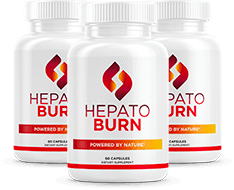
HepatoBurn
HepatoBurn combines milk-thistle silymarin, betaine, berberine, choline and glutathione with green-tea and resveratrol antioxidants. Its liver-support ingredients work alongside green-tea polyphenols and chlorogenic acid in a formula aimed at normal fat processing. For weight loss over 50, its silymarin, betaine and choline emphasize healthy liver function and normal handling of dietary fats.
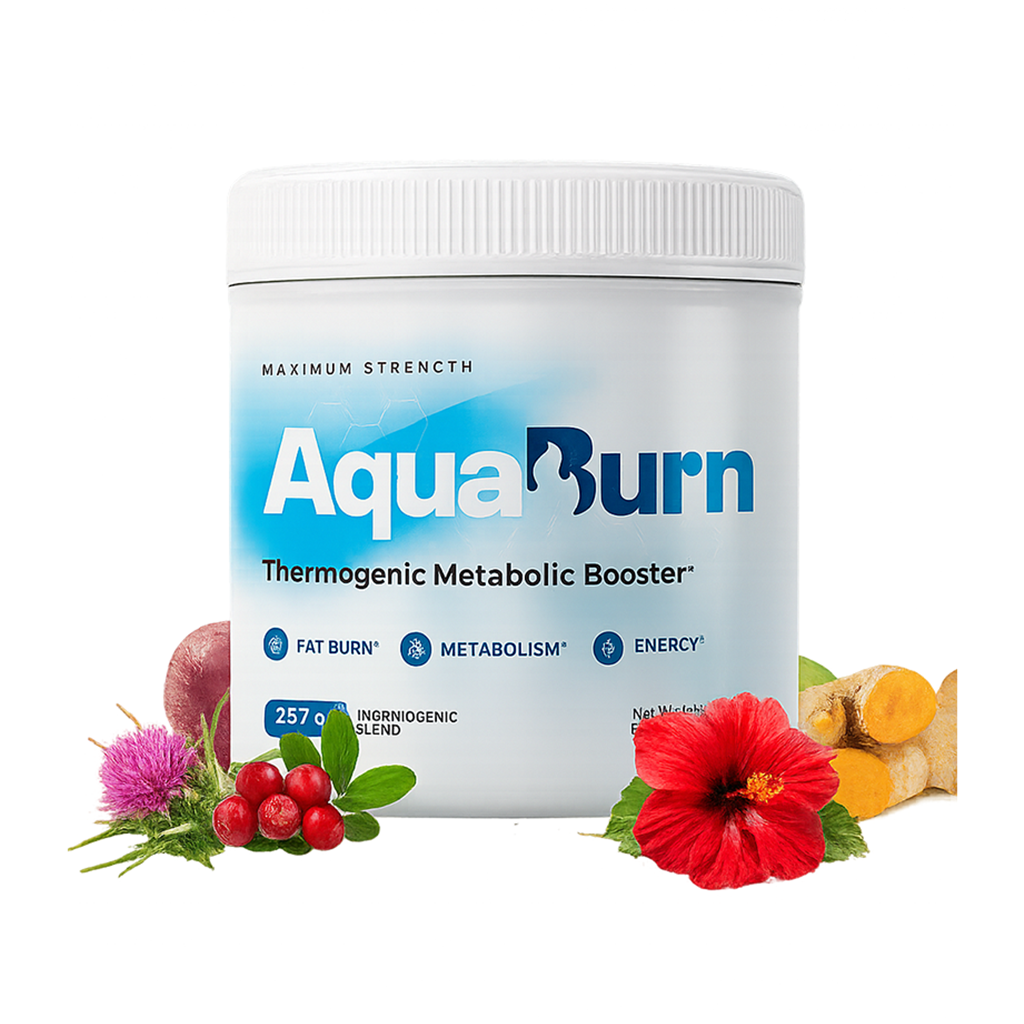
AquaBurn
AquaBurn focuses on botanical energy and metabolic support through green tea, fucoxanthin, ginger, ginseng and antioxidant-rich plant extracts. Green-tea catechins and seaweed-derived fucoxanthin provide the formula’s thermogenesis-oriented angle, while ginger contributes digestive support. With weight loss over 50, its green-tea or fruit polyphenols and selected botanicals provide a focus on energy and antioxidant wellness.
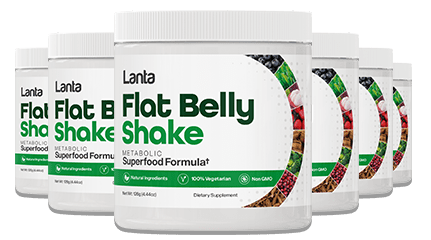
Flat Belly Shake
Flat Belly Shake uses a mix-with-water format to make a planned shake easier to fit into busy mornings and structured eating schedules. For meal planning, serving size and protein content matter more than the product name, because a satisfying shake needs adequate nutrients. For weight loss over 50, the measured drink can contribute to portion planning when its nutrient panel suits the meal.
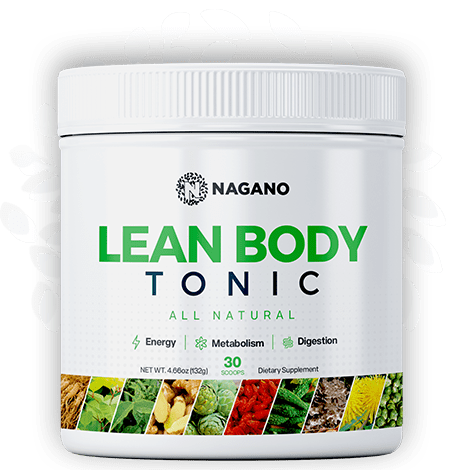
Nagano Tonic
Nagano Tonic is a powdered drink mix made with botanicals and nutrients including camu camu, green-tea EGCG, mangosteen, ginger and inulin. Its formula is promoted for daily metabolic, energy and digestive support; it is not a substitute for balanced nutrition or medical care. When comparing options alongside weight loss over 50, review the ingredient label and seller terms before ordering.
Frequently Asked Questions
The answer depends on health conditions, contraindications, treatment goals, side-effect tolerance and access. A medicine with strong average results may still be the wrong choice for a particular person.
Generally, no. OTC orlistat has evidence for modest weight loss, while most dietary supplements have not demonstrated prescription-level effectiveness. Supplements are not approved like drugs before being marketed. Confirm eligibility and side-effect monitoring with the prescriber.
Regain is common after effective medication is stopped because appetite regulation can shift back toward baseline. Discuss long-term treatment, affordability and an exit strategy before beginning.