A Week-by-Week Weight-Loss Plan That Protects Strength After 50
A workable plan does not require banning carbohydrates or eating a separate meal from everyone else. It starts with a few measurable changes, then adjusts according to hunger, strength, health markers and the trend in body weight. Water balance can mask fat-loss progress for several days, especially after salty meals, hard workouts or a change in carbohydrate intake.
Week one: measure the starting point
For seven days, record meals, drinks, sleep and activity without trying to make the log perfect. Weigh under similar conditions several mornings and use the weekly average rather than reacting to one reading.
Also note waist circumference, the number of comfortable chair stands you can complete and a usual walking distance or time. These measures help reveal progress that the scale misses.
- Identify calorie-dense drinks, frequent grazing and oversized restaurant portions.
- Write down when hunger is strongest and whether it follows poor sleep.
- List physical limitations that may require a trainer, physical therapist or clinician.
Weeks two and three: redesign familiar meals
Keep foods you enjoy but change the proportions. Build meals around a substantial protein source and high-fiber produce, then add a measured portion of grains, potatoes or another preferred starch.
If evening hunger is a recurring problem, examine breakfast and lunch before relying on willpower at night. Meals that contain protein, fiber and some fat generally provide more staying power than pastries, juice or snack foods alone.
- Breakfast example: plain Greek yogurt, berries and nuts.
- Lunch example: bean or chicken salad with vegetables and whole-grain bread.
- Dinner example: fish or tofu, roasted vegetables and potatoes.
- Snack example: fruit with cottage cheese or a small portion of nuts.
Create a modest deficit
Reduce portions or discretionary foods enough to create progress without leaving yourself weak, dizzy or constantly preoccupied with food. Very-low-calorie diets should be medically supervised, particularly when diabetes medicines or blood-pressure drugs may need adjustment.
Recommended Products
Weeks two through six: train for function
Resistance exercise should cover pushing, pulling, squatting or rising, hinging, carrying and core stability as abilities permit. Begin with loads you can control and increase repetitions or resistance gradually.
Add moderate aerobic activity in manageable blocks. Ten-minute walks after meals can be easier to sustain than one long workout and may help people who have been sedentary.
- Schedule strength sessions on nonconsecutive days.
- Stop and seek medical advice for chest pressure, fainting or unusual shortness of breath.
- Use balance support and appropriate footwear if falls are a concern.
- Allow recovery time when soreness changes your gait or normal movement.
Adjust the plan using trends, not frustration
Review three to four weeks of consistent data before deciding that the plan is ineffective. If weight and waist measurements are unchanged, reduce one repeat source of calories or add a realistic amount of activity rather than overhauling everything.
If weight is falling but strength, mood or energy deteriorates, the deficit may be too aggressive. A dietitian can help preserve nutritional adequacy, especially for people with diabetes, digestive disease, osteoporosis or limited food choices.
- Keep the change small enough to repeat on weekends.
- Plan restaurant orders before arriving.
- Maintain resistance training during plateaus.
- Use maintenance periods during illness, travel or major stress instead of abandoning the plan.
Make sleep and recovery measurable
Poor sleep can increase appetite, reduce training quality and make meal planning harder. Set a consistent wake time, limit late alcohol and caffeine, and keep the bedroom dark and cool.
Frequent insomnia, restless legs or suspected sleep apnea deserves evaluation. Treating an underlying sleep disorder is more useful than buying a supplement that claims to burn fat while you sleep. Water balance can mask fat-loss progress for several days, especially after salty meals, hard workouts or a change in carbohydrate intake.
- Record bedtime, wake time and awakenings for two weeks.
- Move caffeine earlier if it interferes with sleep.
- Discuss persistent nighttime urination, pain or hot flashes with a clinician.
Supplements for Weight Loss Over 50

LivPure
Milk-thistle silymarin, betaine, berberine and glutathione give LivPure its liver-support focus, alongside antioxidants from green tea. Berberine is included for metabolic wellness, while milk thistle and glutathione focus on liver and cellular antioxidant support. For weight loss over 50, its silymarin, betaine and choline emphasize healthy liver function and normal handling of dietary fats.
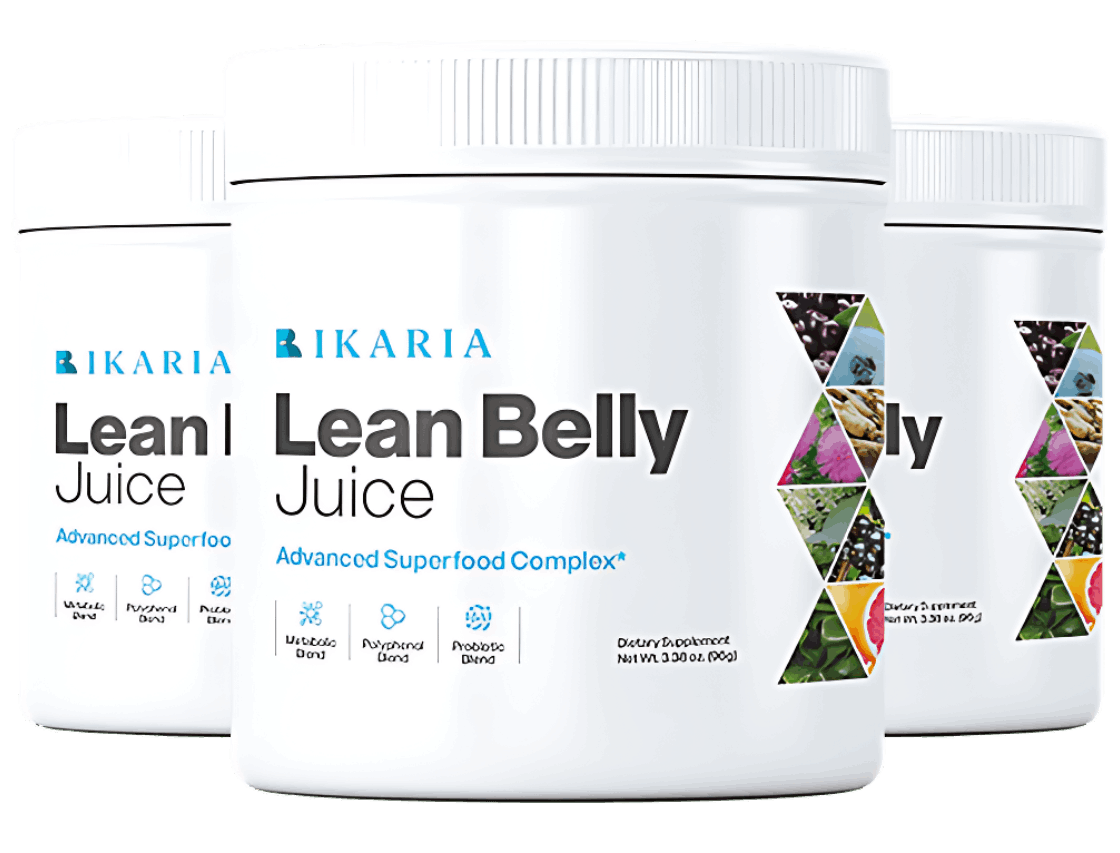
Ikaria Juice
Ikaria Juice combines green-tea polyphenols, citrus pectin, turmeric, dandelion and milk thistle with inulin and a multi-strain probiotic blend. Its digestive blend supports beneficial gut organisms and regularity, alongside antioxidant-rich extracts from berries and green tea. For weight loss over 50, the inulin and probiotic blend targets digestive comfort and an everyday gut-health routine.
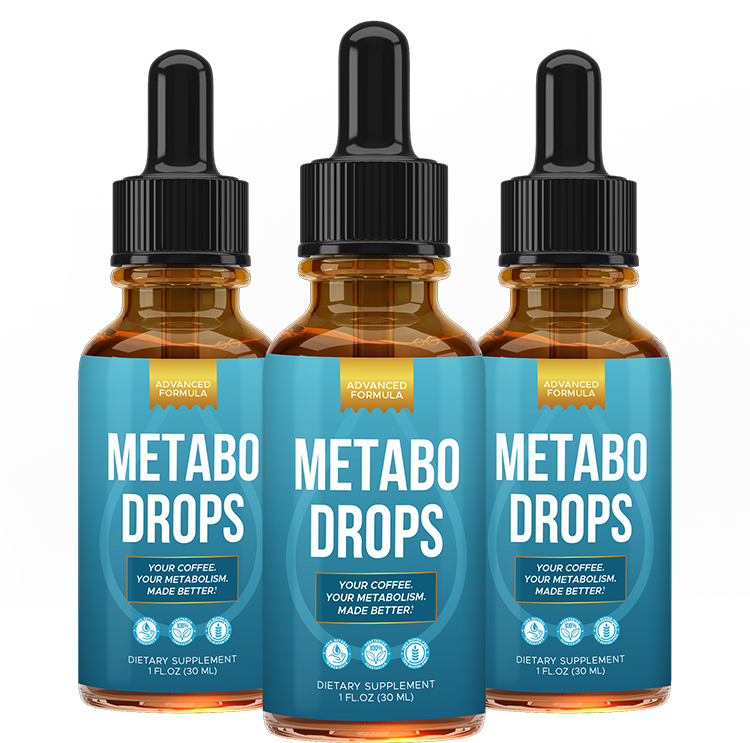
Metabo Drops
Metabo Drops concentrates on metabolic wellness and steady daytime energy, using chlorogenic acid, green tea, chromium and L-carnitine in a tasteless coffee additive. Its chromium and chlorogenic-acid combination targets everyday carbohydrate metabolism, while L-carnitine relates to cellular energy production. For weight loss over 50, chromium and botanical polyphenols offer targeted nutrient-metabolism support in a coffee-friendly format.
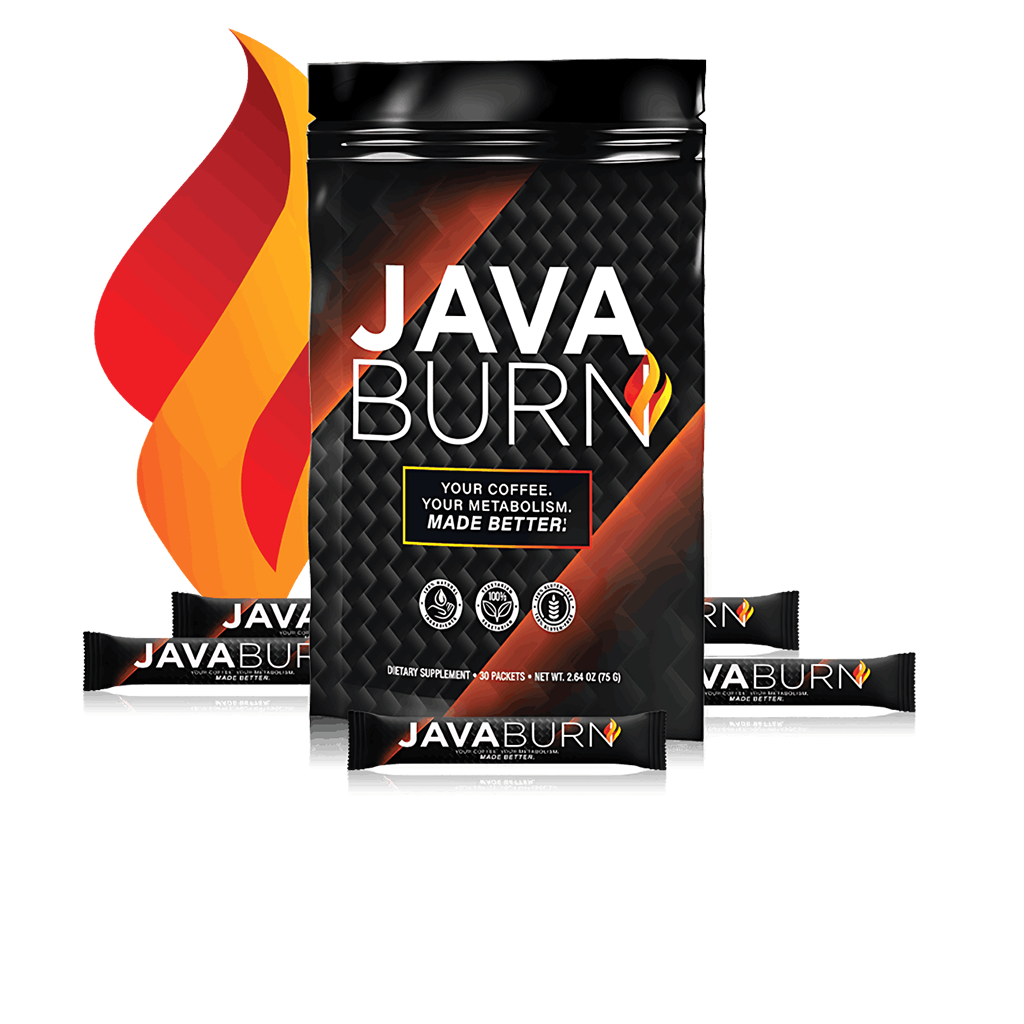
Java Burn
Java Burn uses a coffee-mix format to deliver green tea, chlorogenic acid, L-carnitine, chromium and vitamins B6 and B12 for nutritional metabolism and energy. Chromium and B vitamins contribute to normal nutrient and energy metabolism; the green-tea and green-coffee extracts add polyphenols. For weight loss over 50, chromium and botanical polyphenols offer targeted nutrient-metabolism support in a coffee-friendly format.

HepatoBurn
HepatoBurn combines milk-thistle silymarin, betaine, berberine, choline and glutathione with green-tea and resveratrol antioxidants. Milk thistle and glutathione focus on liver antioxidant health, with berberine and choline adding a nutrient-metabolism component. For weight loss over 50, its silymarin, betaine and choline emphasize healthy liver function and normal handling of dietary fats.

AquaBurn
AquaBurn uses plant polyphenols from green tea and resveratrol alongside seaweed-derived fucoxanthin, ginger and ginseng for metabolic and antioxidant wellness. The blend emphasizes antioxidant protection and energy processes through green tea, resveratrol, ginseng and seaweed carotenoids. With weight loss over 50, its green-tea or fruit polyphenols and selected botanicals provide a focus on energy and antioxidant wellness.
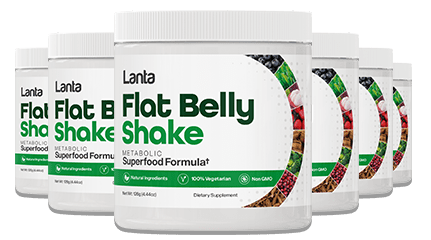
Flat Belly Shake
The Flat Belly Shake drink offers a measured powder serving rather than capsules, making it an option for people organizing daily meal portions. The main practical benefit is convenience and portion planning; it should be evaluated as food by checking the full nutrition panel. For weight loss over 50, the measured drink can contribute to portion planning when its nutrient panel suits the meal.
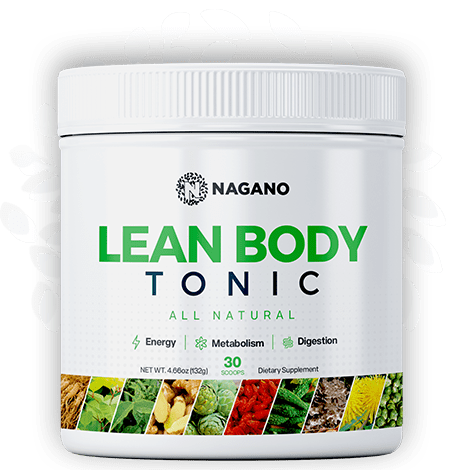
Nagano Tonic
Nagano Tonic is a powdered drink mix made with botanicals and nutrients including camu camu, green-tea EGCG, mangosteen, ginger and inulin. Its formula is promoted for daily metabolic, energy and digestive support; it is not a substitute for balanced nutrition or medical care. When comparing options alongside weight loss over 50, review the ingredient label and seller terms before ordering.
Frequently Asked Questions
Daily or several times weekly can work if you focus on the weekly average. If weighing increases anxiety or triggers restrictive behavior, use less frequent measurements and track waist size, habits and fitness instead.
No. Portion size and total dietary pattern matter more than banning an entire nutrient. Beans, fruit, vegetables and intact whole grains also supply fiber and useful nutrients.
Consider cycling, water exercise, chair-based strength work or physical therapy. A clinician should evaluate new, severe or worsening pain rather than having you train through it.